
Rethink Plastic Newsletter – Autumn 2026 Edition
Join us at Ocean Week and read our reactions to PPWR and Plastics Treaty developments
Welcome to the second edition of Rethink Plastic’s newsletter! We hope you enjoyed a restful summer break ☀️
“La rentrée” in Brussels is in full swing and the next semester will be an eventful one for all things plastic policy. So let’s take a look at what the EU schedule has lined up, at our members’ plans for the rest of the year and let’s also take a look back at what happened over the summer…
Coming Up!
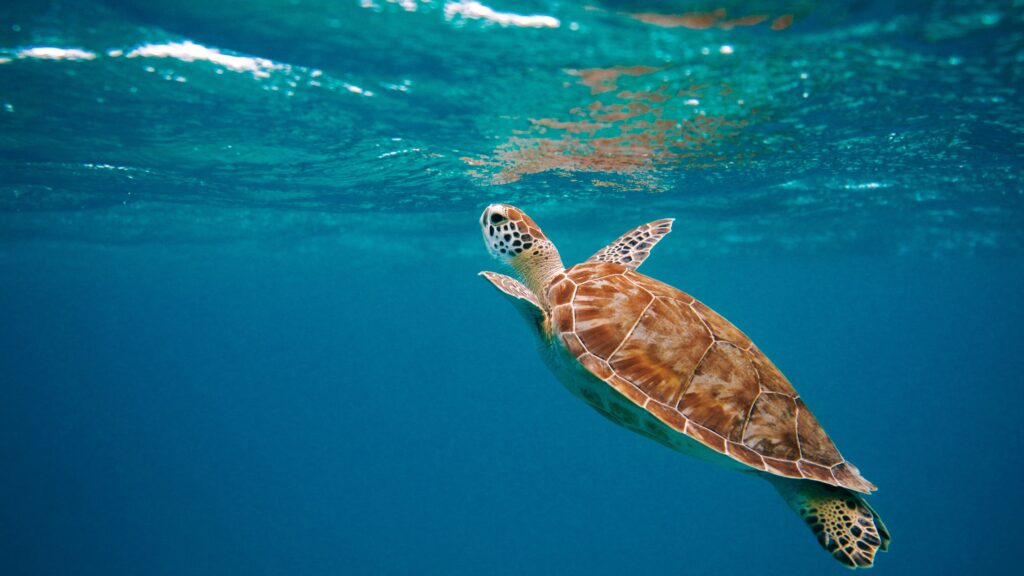
It’s Ocean Week time – learn about the oceans from 28th September to 4th October! 🌊
A healthy ocean must be at the heart of Europe’s future resilience, blue economy and environmental sustainability – but how do we get there? As the EU prepares its Ocean Act, Ocean Week 2026 will explore policies that can effectively address the biodiversity, pollution and climate crises which are affecting our ocean. Ocean Week is organised by our members Surfrider, Seas at Risk and ClientEarth and a coalition of other blue NGOS, to raise awareness among the public and decision-makers about the urgent need to protect the Ocean, seas, coastlines, and our blue planet.
When? 28th September to 4th October
Where? Various venues across Brussels
How? Check out www.oceanweek.eu to find events that interest you. Most events are free to attend but some may require online registration.
Drop by if you want to dedicate some time to explore marine issues. And don’t forget to join the conversation on social media by using the #EUOceanWeek hashtag!
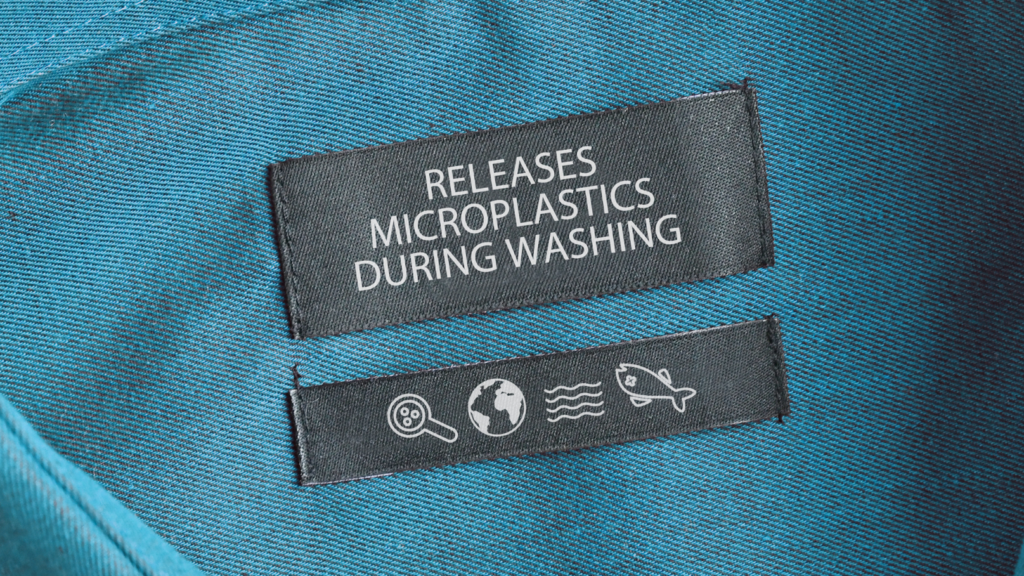
Join us at “Ocean plastics unravelled – The microplastics hidden in your closet” – 30th September, Esplanade 🐳
Meet experts and scientists outside the European Parliament to talk about how fashion is harming the ocean. One of the largest ocean plastic pollution sources is not bottles, nor bags, but tiny fibres that are extremely difficult to remove once released. They disperse widely through ocean currents and settle into sediments, remaining in ecosystems for decades or even centuries.
This event will bring together knowledge, art, and insights into the problems and solutions of synthetic textiles in fashion. Participants will be invited to interact with scientists, EU and national experts of textiles and microplastics who will share their findings and personal experience of the issue. Solutions exist!
When? 30th September at 12pm
Where? European Parliament Esplanade
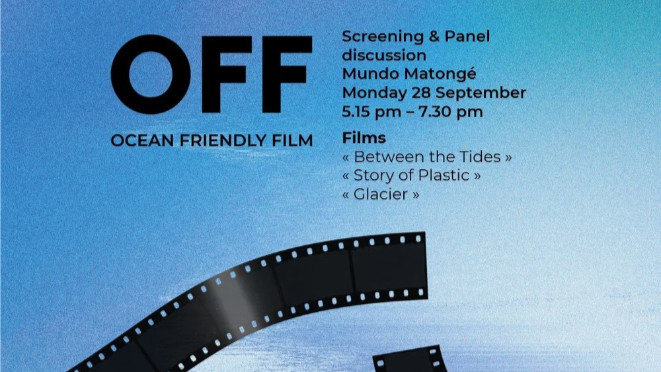
Marine pollution on the big screen – Film screenings on 28th September, Mundo Matonge 🐳
From defending healthy water for all and fighting against plastic pollution, to the race against climate change which is causing glaciers to melt, the three films on show – Between the Tides, Story of Plastic and Glacier – will immerse you in the major crises threatening our ocean.
The screening will be followed by a discussion with exclusive guests and Q&A with the audience to explore solutions, opportunities for mobilisation and celebrate the beauty of our ocean.
When? Monday, 28th September from 5.15pm – 7.30pm
Where? Mundo Matonge, Refresh Cafe, Rue d’Edimbourg 29, Ixelles

We will keep you posted…
The Rethink Plastic Alliance recently submitted responses to three public consultations by the European Commission on packaging and packaging waste, waste shipments and the European Environment Agency.
- In our Feedback on new rules for the recycling of plastic packaging, we stress that implementing the PPWR requirements on minimum recycled content in plastic packaging now depends on the development of robust and reliable secondary legislation on 1) the calculation and verification of recycled plastic content in packaging, (2) sustainability criteria for plastic recycling technologies, and (3) equivalent rules for plastic recycled content that is imported from third countries.
- The Rethink Plastic Alliance also responded to the public consultation on the Commission’s proposal for a Delegated Act on the green-listing of certain waste under the Waste Shipment Regulation. We are deeply concerned by the proposed expansion of green-listing waste streams with these draft Delegated Acts. RPA supports clear and harmonised rules that enable environmentally sound management (ESM) of waste and high-quality recycling.
- In RPA’s feedback to the evaluation of the European Environment Agency (EEA), we highlight that the EEA should play a strong role in independently assessing whether major environmental legislation adopted as part of the European Green Deal is delivering its intended environmental outcomes as it moves through implementation, including the impact of subsequent omnibus and simplification packages on those outcomes.
The European Commission’s proposal for the Circular Economy Act is expected before the end of the year and we will share our reaction to it once it is published. One thing is for sure already: A true circular economy must first and foremost be built on preventing waste in the first place and ensuring that products and materials are non-toxic and reused as much as possible
From 21 November 2026, exports of plastic waste from the EU to non-OECD countries will be banned under the Waste Shipment Regulation for a period of 2.5 years. While imperfect, this ban represents a milestone in the fight against waste colonialism. Follow us on LinkedIn and the wider BFFP movement across various social media channels to learn more about the harmful impacts EU plastic waste exports have been having on communities and the environment in recipient countries.
In the meantime, let’s take a look back at what happened over the summer.
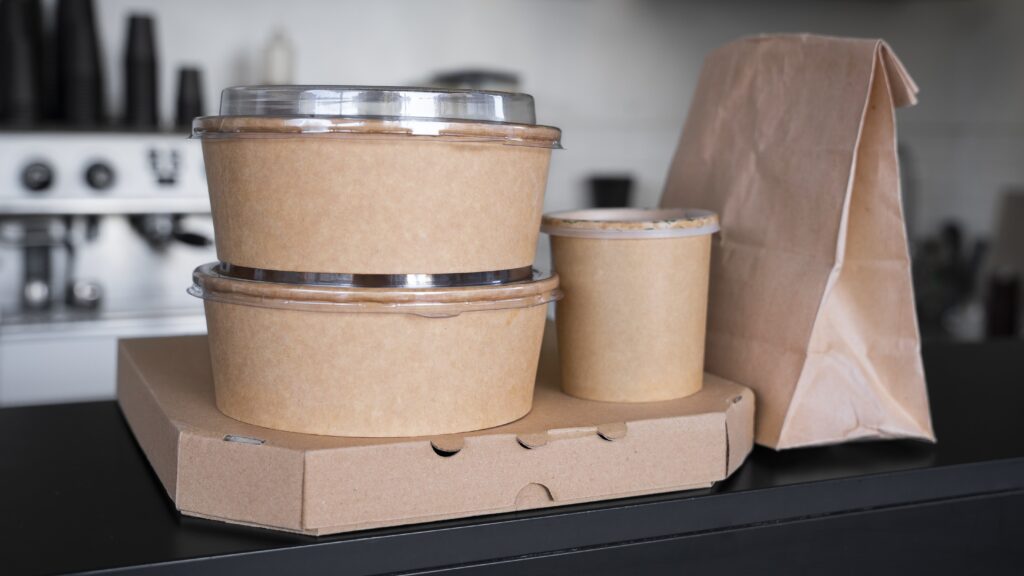
EU Packaging law protects consumers from forever chemicals in food packaging
As of 12th August 2026, the EU’s Packaging and Packaging Waste Regulation (PPWR) applies, marking a significant milestone in Europe’s efforts to tackle the packaging waste crisis, despite an unprecedented last-minute industry lobbying push that aimed to delay and weaken the regulation.
Though imperfect, this landmark regulation will contribute to protecting public health and the environment. Over the next few years, the regulation will introduce legally binding measures aimed at reducing packaging waste, increasing reuse and refill, restricting certain single-use packaging formats, and improving packaging design requirements.
As of August, food-contact packaging that contains ‘forever chemicals’ PFAS exceeding a critical threshold is banned from the European market. The use of these chemicals is used to make food packaging such as coffee cups and takeaway containers water-resistant, and is particularly concerning because the forever chemicals can leach into the food and can thus be ingested.
A recent study by the EU’s Joint Research Centre showed that efforts to tackle the packaging waste crisis are urgently needed: The total amount of all packaging placed on the market amounts to a striking 98 kg per capita (this weight is very significant as packaging is usually so light). Food and beverage account for the largest share, covering 97% of the whole packaging material on the market. Plastic packaging, in particular, is a growing concern, as it is the only packaging category showing an upward trend between 2011 and 2025, growing by 11% in absolute terms.
As the PPWR application period kicks-in, there’s no time to waste. The Rethink Plastic Alliance and the wider BFFP movement considers reducing waste at source, rolling out reusable packaging, and ensuring non-toxic circularity to be the priority provisions of the PPWR and continue to offer support for effective implementation. At the same time, we urge national and local governments to implement the provisions of the Regulation effectively by championing waste prevention and reuse to slash record levels of packaging waste across the EU.
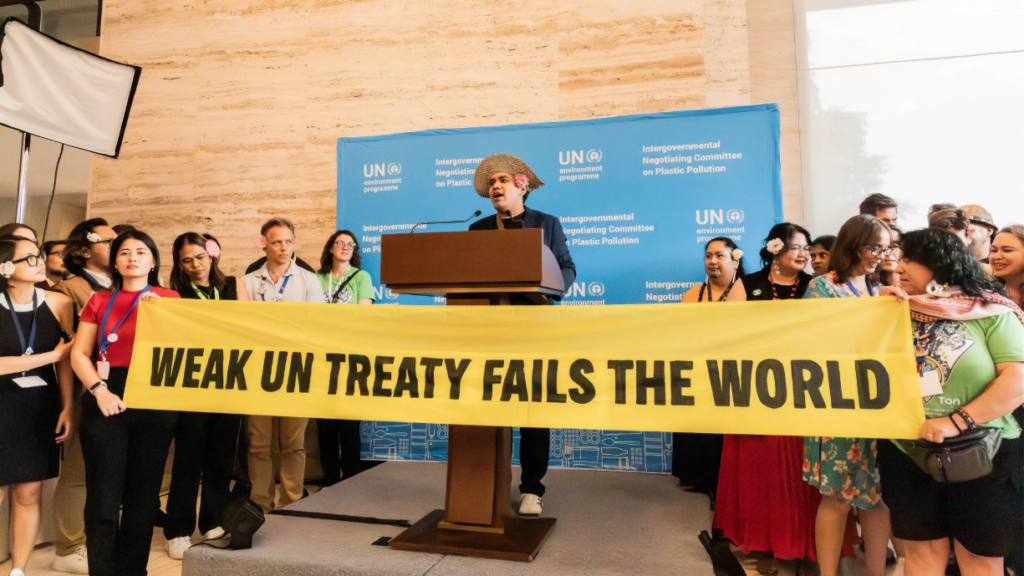
Break Free From Plastic denounces Plastic Treaty negotiation Chair’s text, citing weak watered down measures
On 09 August 2026, the Chair of the UN Intergovernmental Negotiating Committee on Plastic Pollution Julio Cordano shared an informal reference document titled “Aid to Negotiations” ahead of the anticipated resumption of negotiations for an international legally binding agreement to end plastic pollution, or Global Plastics Treaty.
Critics were quick to notice that most of the ambitious treaty elements that garnered the support of more than a hundred Member States in past negotiations were missing from the recently released document. Without articles pertaining to continued plastic production and chemicals in plastics, the global plastics treaty cannot address the plastic pollution crisis at its root.
Melissa Aguayo, Interim Co-Coordinator for Break Free From Plastic, calls on all countries to bring back the key measures from previous texts that obligate States to act towards ending plastic pollution. “The text cannot be accepted as is,” said Aguayo. “The process is raising serious concerns about legitimacy and trust. This document emerged from closed-door sessions that once again excluded civil society, while critical issues were kept off the formal agenda, undermining the integrity of the process.”
Two members of the Rethink Plastic Alliance – CIEL and EIA – will continue to push for an effective Global Plastics Treaty that is shaped by meaningful civil society participation. We will closely analyse the outcomes of the next round of informal talks which take place in Bangkok on 27 – 30 September; keep an eye on EIA and CIEL’s channels for updates.
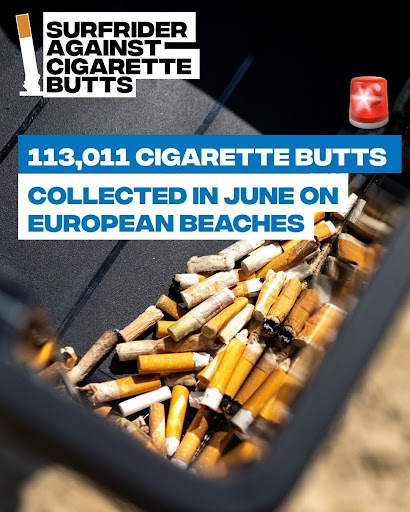
Nip them in the bud! Surfrider’s campaign against cigarette filters
Throughout June, led by Surfrider Foundation Europe, more than 400 citizens took part in cigarette butt clean-up campaigns on beaches, around lakes and along rivers across Europe. These initiatives resulted in the collection of 110,963 items of tobacco-related litter, reinforcing the NGO’s call for an urgent EU-wide ban on cigarette filters, nicotine pouches and disposable vapes.
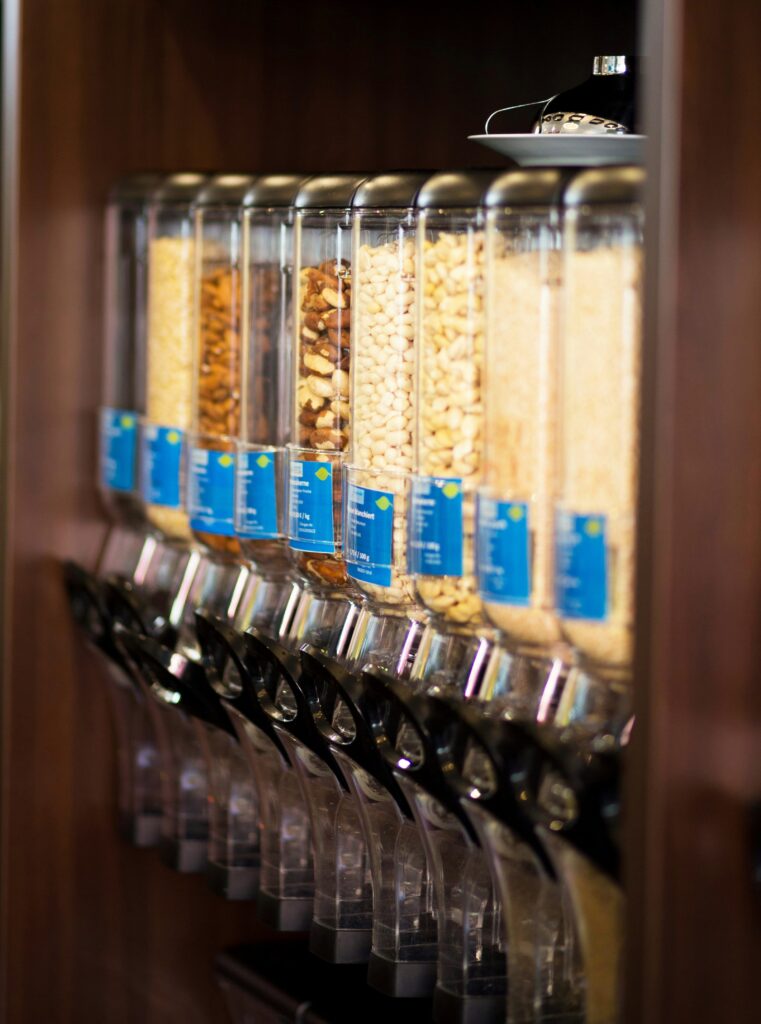
Bulk retail and refill systems: The regulatory framework and sectoral guidance applicable in France
This new ECOS report aims to support the implementation of the Packaging and Packaging Waste Regulation (PPWR), in particular obligations relating to refill systems, measures promoting refill systems, and requirements for refill stations.
Towards a future free from plastic pollution!
Thanks for reading, we will be back in a couple of months with some more updates! In the meantime, follow us on LinkedIn and BlueSky and keep an eye on our website to follow developments on EU plastics policy.
Caroline, on behalf of the Rethink Plastic Alliance
Rethink Plastic is an alliance of leading European NGOs, representing thousands of active groups, supporters and citizens in every EU Member State.
We are part of the global Break Free From Plastic movement, consisting of over 13,000 organisations and individuals worldwide demanding an end to plastic pollution.